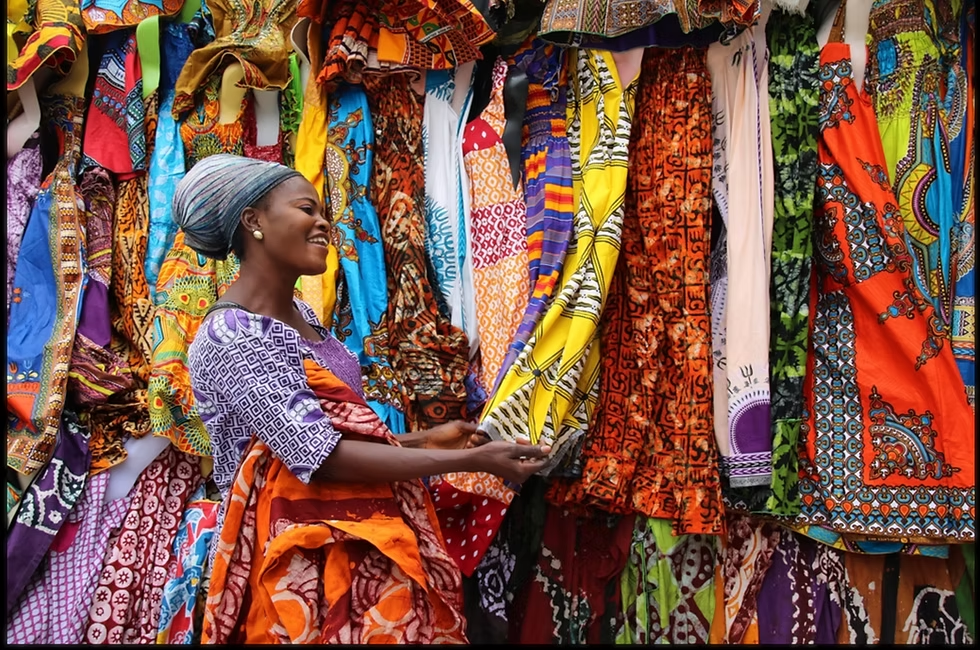
African textiles are more than fabric—they are carriers of history, identity, and creativity. From hand-woven kente in Ghana to bold ankara prints in Nigeria, and indigo-dyed bogolanfini in Mali, these cloths speak in colors and patterns that have endured for centuries. Today, they are not only rooted in cultural heritage but also redefining global fashion.
1. A Living History in Every Thread
- Kente (Ghana): Once reserved for royalty, kente cloth’s geometric patterns symbolize proverbs, historical events, and values like unity or courage.
- Bogolanfini (Mali): Also known as mud cloth, each motif carries meaning—fertility, protection, or a rite of passage.
- Shweshwe (South Africa): A dyed cotton with intricate geometric designs, often worn during celebrations and now reinvented in contemporary wear.
These textiles are not simply decorative; they function as visual storytelling, connecting generations and reminding wearers of their lineage.
2. From Heritage to High Fashion
Global fashion houses and African designers alike are weaving traditional fabrics into modern silhouettes:
- Ankara prints are now staples on international runways, from Lagos Fashion Week to Paris.
- Adire (Nigeria’s indigo tie-dye) is being adapted into streetwear, showing how handmade artistry can meet urban style.
- Kuba cloth (DRC) inspires luxury interior design and haute couture embroidery.
By merging traditional techniques with contemporary cuts, African designers are challenging stereotypes and positioning African fashion as a global trendsetter.
3. Beyond Aesthetic: The Economics of Textiles
The textile industry sustains thousands of artisans—spinners, weavers, dyers, and traders—across the continent. Reviving and modernizing these crafts supports:
- SMEs and women-led cooperatives who produce and sell cloth.
- Sustainable fashion movements, since most African textiles use natural dyes and hand production methods.
- Tourism and cultural diplomacy, as fashion festivals and museums spotlight African design.
In a world increasingly focused on sustainability, African textiles are naturally positioned to appeal to eco-conscious consumers.
4. Diaspora and Global Influence
African prints and patterns travel with the diaspora, shaping hip-hop fashion, festival wear, and luxury collaborations abroad. Afro-diasporic communities in the US, UK, and Caribbean have fused African fabrics with Western tailoring, creating hybrid looks that celebrate identity and pride.
Artists, musicians, and influencers also amplify this movement—think Beyoncé in ankara gowns or Burna Boy in custom agbada on global stages.
5. The Future of African Style
- Tech + Tradition: Digital design tools are blending with old weaving and dyeing methods to scale production.
- Global Platforms: E-commerce and African fashion weeks are opening international markets for local designers.
- Cultural Preservation: Documenting and protecting patterns as intellectual property ensures artisans benefit from their heritage.
African textiles are not fading relics—they are evolving, inspiring, and claiming their place in the global style conversation.
Final Word
From the mud pits of Mali to the ateliers of Milan, African textiles prove that tradition and modernity can co-exist. They carry the weight of heritage, yet remain fresh enough to inspire the next generation of designers. For African citizens and the diaspora alike, wearing these fabrics is more than fashion—it is a statement of identity, resilience, and pride.